 Attar
AttarYour signature scent already exists.
You just haven't found it yet.
Hand-distilled oils from Taif rose, Cambodian oud, and Indian sandalwood. Each drop applied to your wrist with a glass rod — never sprayed. Five questions. Three vials. One cedar box.
What Goes Inside the Vial
Hover each ingredient. Let it open.
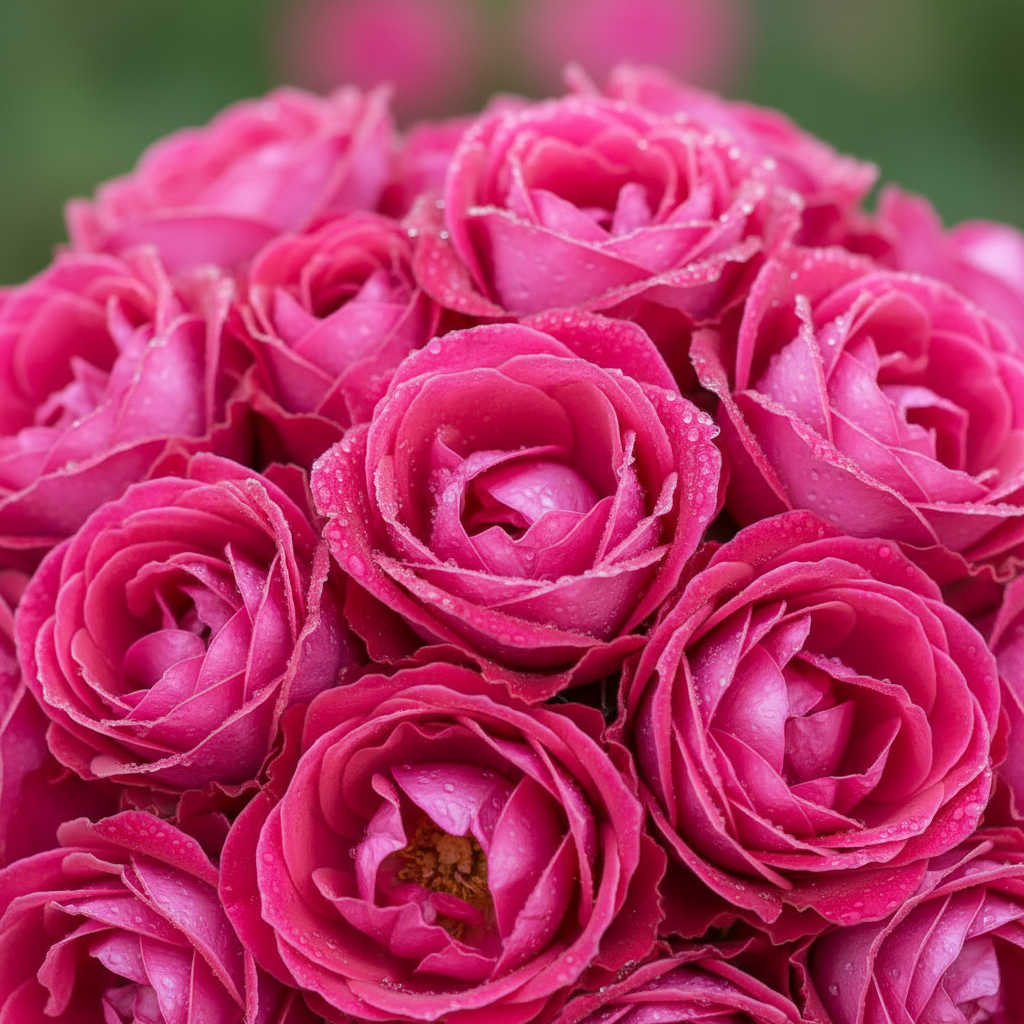
Taif Rose
Taif, Saudi Arabia
Hand-picked at dawn in the cool Saudi highlands. Steam-distilled the same morning.
“Morning dew on sun-warmed petals, plucked before the mountain air turns gold”
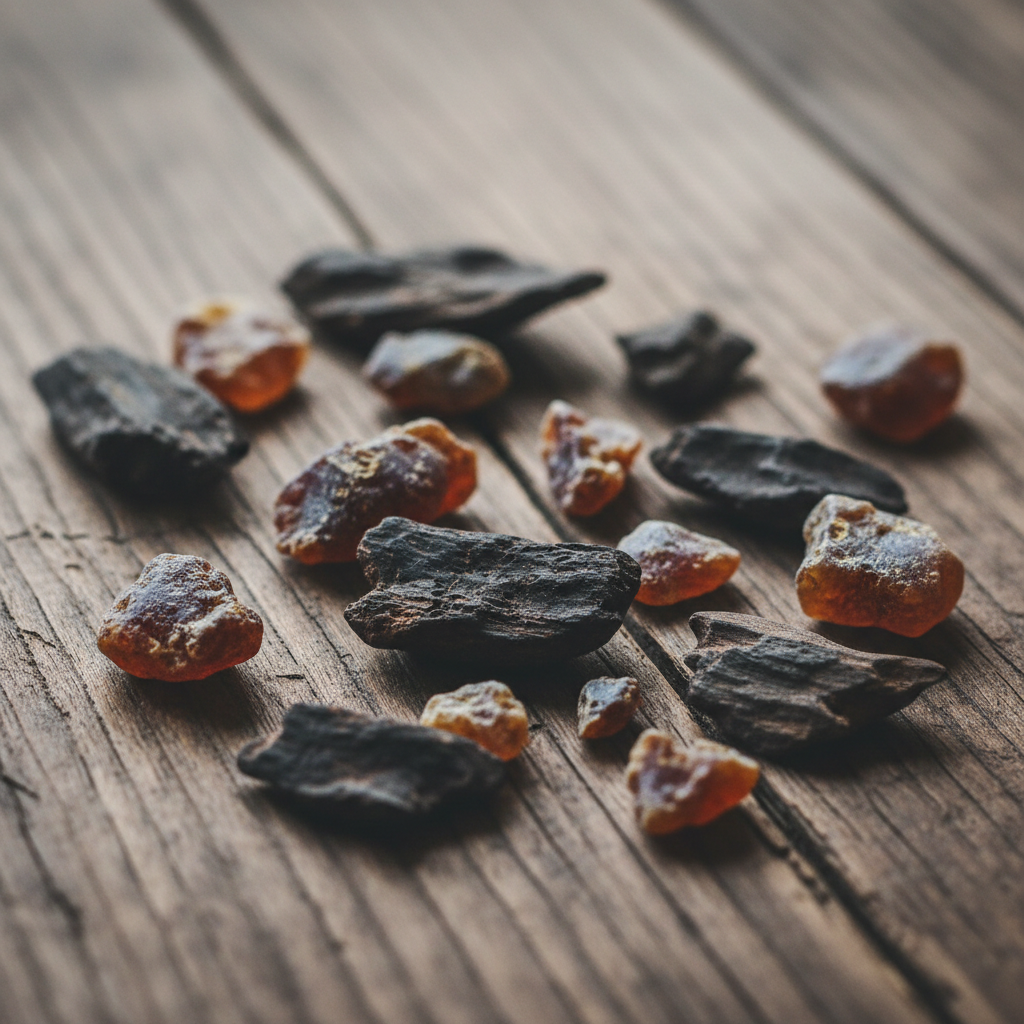
Cambodian Oud
Cambodia
Mature agarwood from the Cambodian forest. Sweeter, smoother than Indian oud.
“Warm milk spilled on sun-heated stone, sweetened by years inside the heartwood”
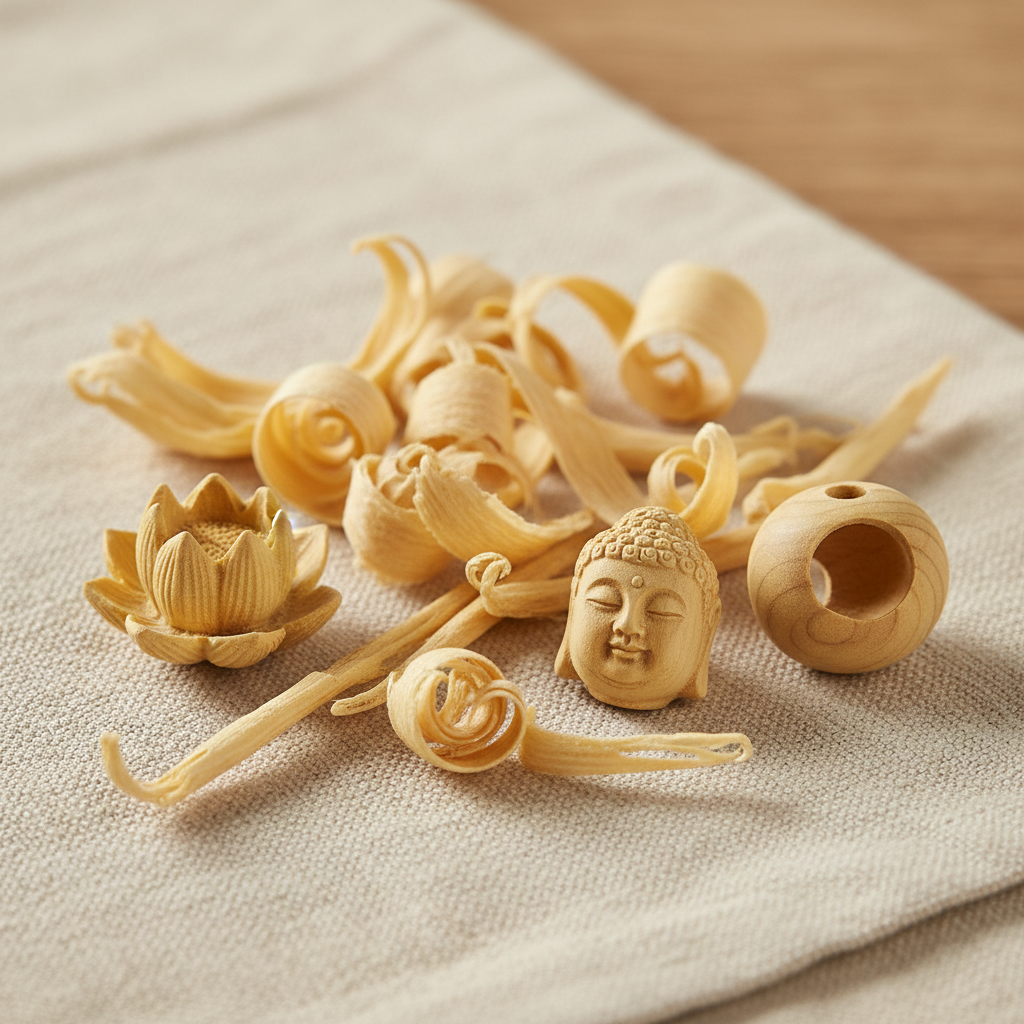
Mysore Sandalwood
Karnataka, India
The foundational carrier. Ancient distillers poured rose into sandalwood — we still do.
“A cedar chest opened in a room that smells of old books and quiet evenings”
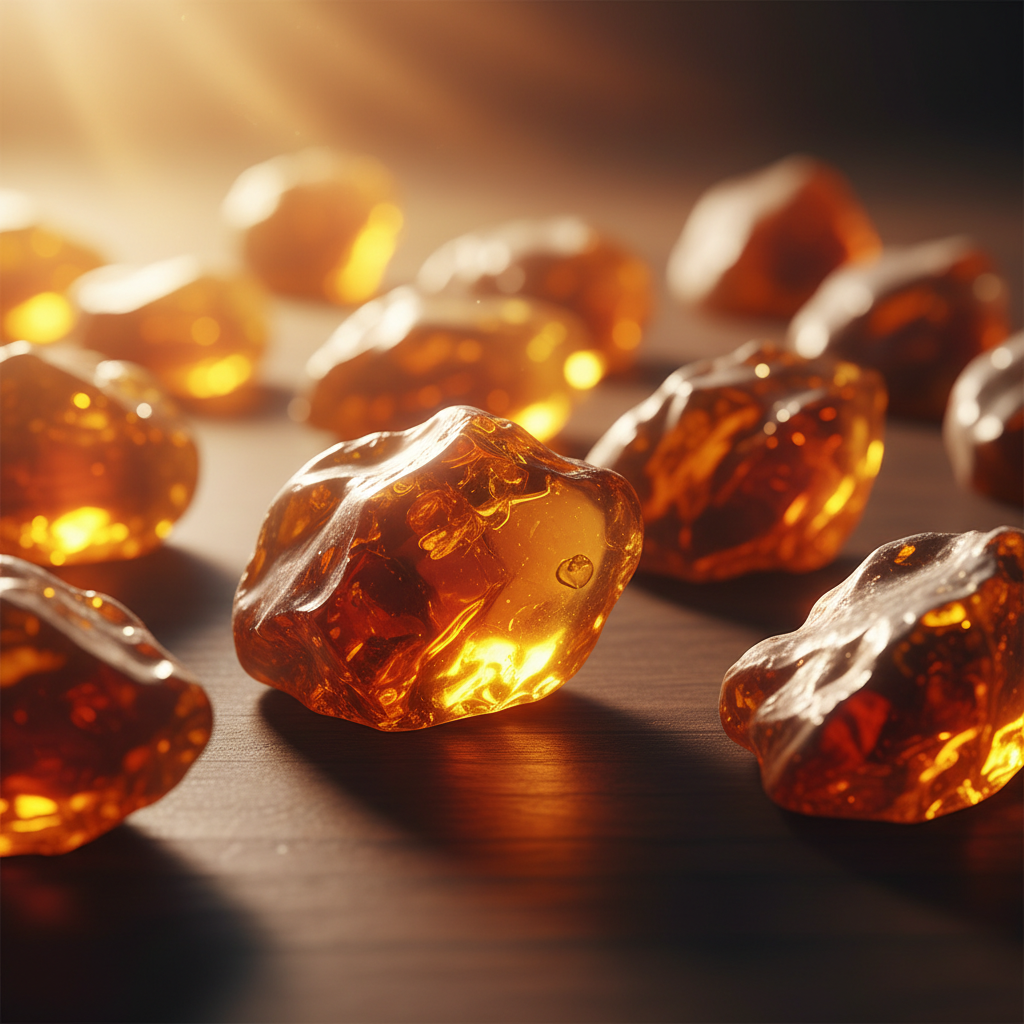
Amber
Blended Origin
A warm, balsamic accord of benzoin, labdanum, and vanilla. The hug of the fragrance world.
“The last embers in a hearth after everyone has gone to sleep”
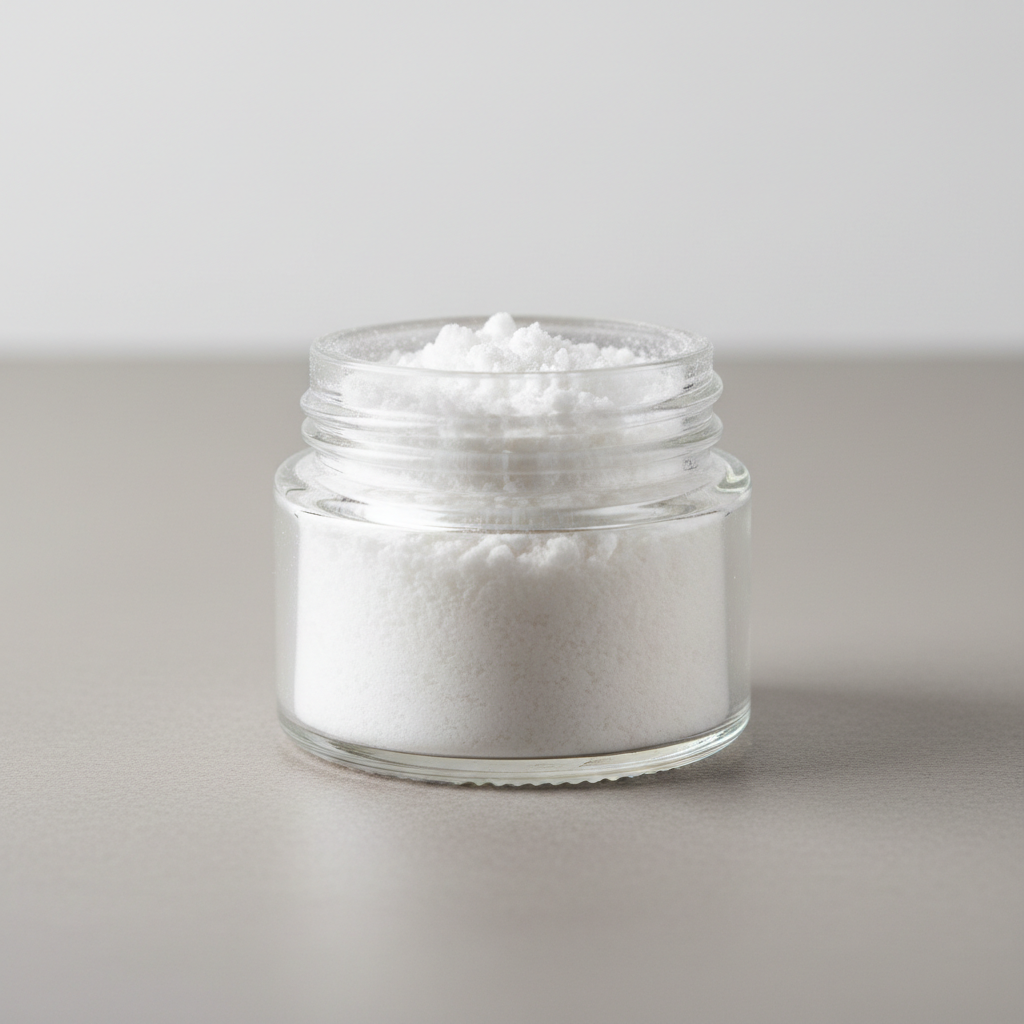
White Musk
Synthetic · Cruelty-Free
Cruelty-free white musk. Softens and lifts every composition it enters.
“Clean skin after a long bath, the warmth of someone standing close”
The Attar Lineage
A scroll unrolled — each era revealing itself as you arrive.
The First Attars
Musk traded along spice routes between Arabia and India. The word ittr — essence — enters Arabic from Sanskrit. A perfumer in Medina blends rose water with sandalwood oil for the first time.
The First Distillation Record
Philosopher Yaqub ibn Ishaq al-Kindi documents the distillation of rose petals. His Book of Perfume Chemistry describes 107 formulas — the oldest known perfumery manual.
The Alembic Refined
Ibn Zakariya al-Razi describes an improved distillation apparatus. The alembic becomes standard equipment in every attar workshop from Persia to Andalusia.
Rose Meets Sandalwood
Mughal court perfumers in Kannauj perfect deg-bhapka hydro-distillation — capturing rose distillate directly into sandalwood oil. This single technique defines Indian attar for four centuries.
The Mountain Rose
Five families in the Taif highlands — al Qadi, al Kamal, al Qureishi, al Ghuraybi, al Solhi — establish rose farms at 1,800 metres. Petals harvested before dawn. Distilled the same morning.
The Obsessives Return
A generation raised on designer cologne discovers pure oil. They search "why does oud smell different on me" at 2am. They find us. We send them a cedar box with three vials.
Who Wears Attar

“I've owned 200 bottles. My perfume shelf is a museum. Then I tried the Cambodian oud sample and understood, for the first time, that I'd been wearing costumes — not a scent.”

“My grandmother wore musk and oud every Friday. I moved to London in 2011 and spent twelve years searching for that smell. Three vials arrived in a cedar box. The second one was it.”
“"Why does oud smell different on me?" — I typed that at 2am. Found Attar. Took the quiz. The Taif rose is the answer.”
“Applied with a glass rod to my wrist. Wore it for nine hours. My wife asked what I was wearing four times.”
“The cedar box arrived. I sat with it for five minutes before opening it. That pause alone was worth the price.”
Discover Your Attar Profile
Visual choices. No right answers. Your nose already knows.
The Cedar Box Awaits
Five visual questions. Two minutes. We match your instincts to three hand-distilled oils, chosen from our collection of Taif rose, Cambodian oud, and Indian sandalwood attars. Then we build your sample box.